
Moving from Toronto to Barrie: What You Need to Know Before You Move
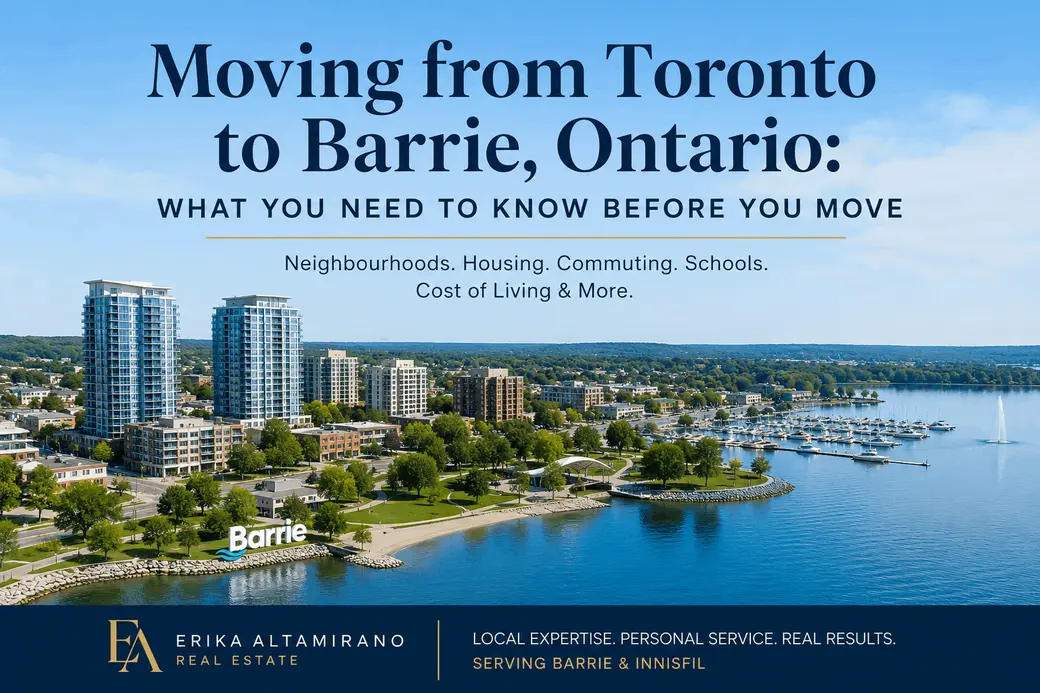
If you're thinking about moving from Toronto to Barrie, you're probably looking for something different: more space, a different pace of life, or simply a home that better fits the next stage of your life.
But moving north isn't just about comparing home prices.
Your commute may change. Your neighbourhood will feel different. You may rely on your car more often. Schools, property taxes, utilities and even how you spend your weekends can all become part of the decision.
I lived in Toronto for many years before making the move north myself, so I understand that this decision is about much more than finding a house you like.
Before you start booking showings in Barrie, here are some of the most important things to consider.
1. Start With Your Lifestyle, Not the House
One of the biggest mistakes I see buyers make is falling in love with a property before really understanding the area around it.
A beautiful kitchen, large backyard and finished basement can be exciting, but ask yourself what your everyday life will look like once you move in.
Do you still need to commute to Toronto several days a week?
Do you work from home?
Are schools important to your decision?
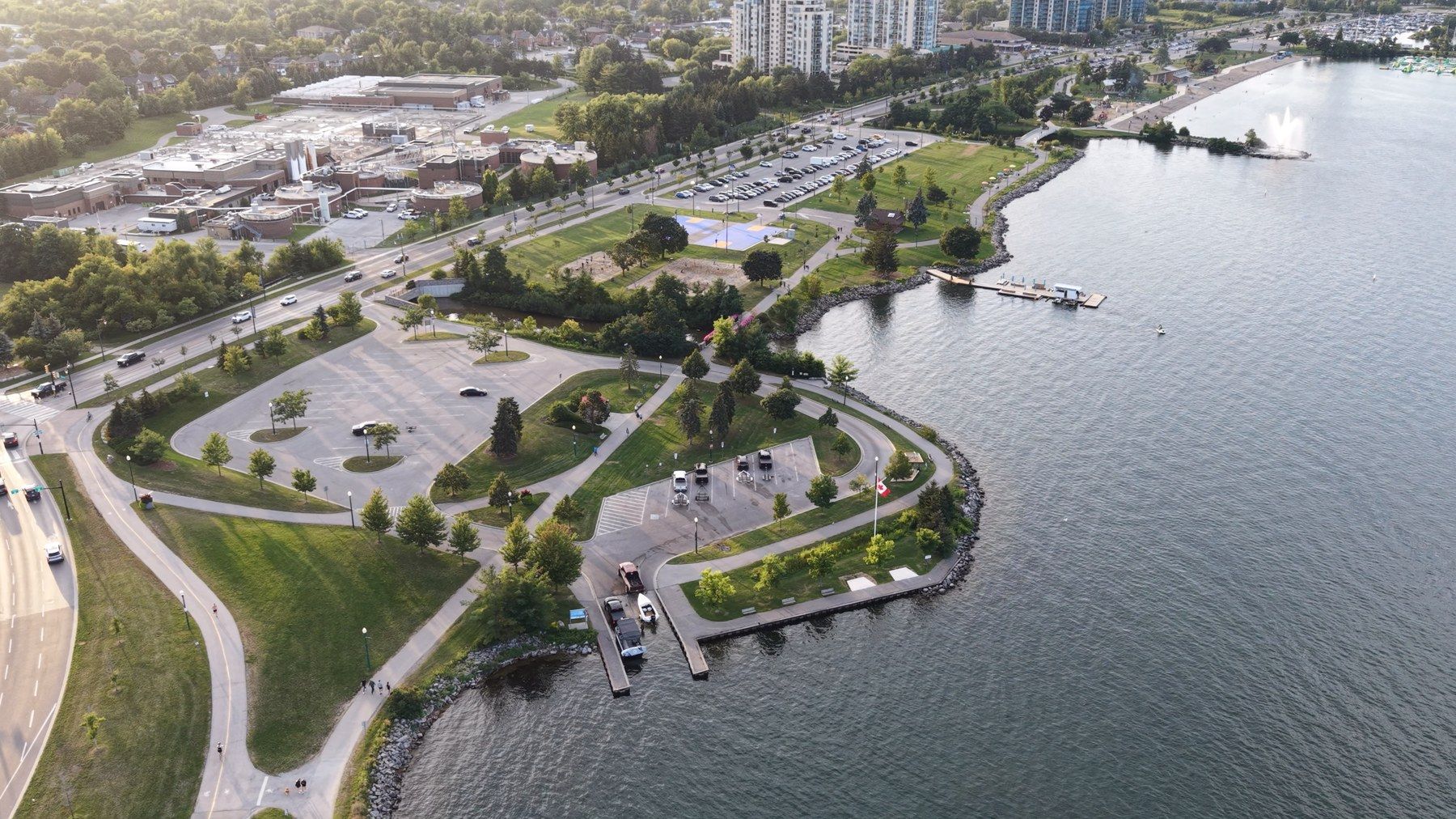
Would you rather be close to the waterfront, trails and restaurants, or have easier access to Highway 400?
The answers can point you toward very different parts of Barrie.
Before choosing the house, define the life you want to have there.
2. Barrie Neighbourhoods Are Not All the Same
There isn't one “best neighbourhood” in Barrie. The right area depends on what matters most to you.
For someone who still travels toward Toronto regularly, areas in south Barrie such as Painswick and Innis Shore may be worth exploring because of their location relative to Highway 400 and Barrie South GO Station.
If you prefer mature trees, trails and a more established community, Ardagh Bluffs may appeal to you.
Holly is another established area that buyers often consider when looking for access to parks, schools, shopping and everyday amenities.
If being closer to the waterfront, restaurants, cafés and events is important, downtown Barrie and surrounding areas offer a very different lifestyle.
There are also communities such as Allandale, East Bayfield and West Bayfield, each with their own housing styles, amenities and location advantages.
This is why I recommend choosing your neighbourhood based on your daily priorities rather than simply searching all of Barrie within a certain price range.
3. Test the Commute Before You Commit
This one is especially important if you're moving from Toronto but still working in the GTA.
Barrie is connected to the GTA by Highway 400 and GO Transit, including Barrie South GO Station and Allandale Waterfront GO Station.
But looking at a route on Google Maps is very different from actually experiencing it during the hours you'll be travelling.
If commuting will be part of your routine, test it before buying.
Try the drive at the time you would normally leave for work. Look at your GO Transit options. Calculate not only fuel or fares, but also parking, vehicle maintenance and your time.
A house may give you more space, but the lifestyle still needs to make sense Monday through Friday.
4. Don't Assume Everything Will Be Cheaper
Housing is often one of the biggest reasons people start comparing Barrie with Toronto and other parts of the GTA.
Depending on current market conditions, your budget may give you access to a different type or size of property in Barrie.
But the purchase price isn't your entire cost of living.
A larger home can mean higher heating and electricity costs, more maintenance and different property taxes. If you're commuting, transportation can also become a significant monthly expense.
Instead of asking only, “How much house can I afford?”, I encourage buyers to ask:
“What will my total lifestyle cost after I move?”
That gives you a much more realistic picture.
5. Understand the Housing Options
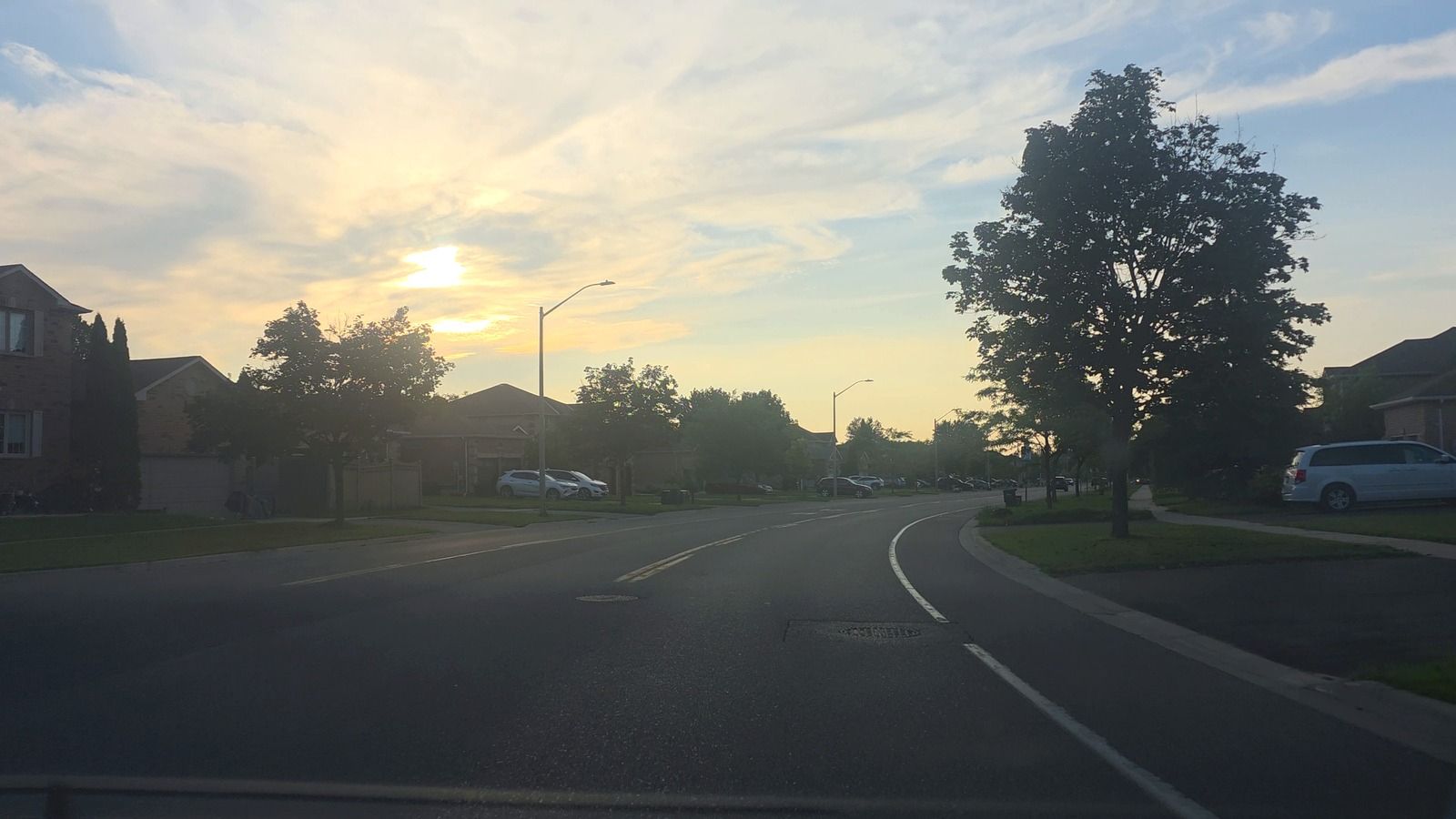
Barrie has a mix of detached homes, townhouses, condominiums and older established properties, as well as newer developments.
The right choice depends on your budget and priorities.
Some buyers want a newer home and don't mind being farther from the waterfront or established parts of the city. Others prefer an older property with a larger lot, mature neighbourhood and different character.
You may also be considering a property with a basement that could potentially provide additional living space or rental possibilities.
Don't compare properties based on square footage and price alone. Consider age, condition, ongoing maintenance, location and how long you realistically expect to live there.
6. Research Schools Before Choosing an Area
If schools are important to your family, don't leave this research until after you've found a house.
School boundaries can be very specific and may change, so a property being “close to” a school doesn't necessarily mean it falls within that school's attendance area.
Use the appropriate school board's current boundary and registration information to verify the address you're considering.
Your REALTOR® can help you understand the different areas, but school eligibility should always be confirmed directly with the applicable school board.
7. Spend Time in Barrie Before Deciding
If you've only visited Barrie for a showing or a weekend trip, spend more time here before making your final decision.
Drive through the neighbourhoods you're considering.
Visit the waterfront.
See where you'll buy groceries.
Try the commute.
Explore parks and trails.
Have coffee or dinner downtown.
Drive through the area during the day and again in the evening.
You're not only buying a property. You're choosing where a significant part of your everyday life will happen.
8. Get Your Financing Organized Before Shopping
Before seriously comparing homes, speak with a qualified mortgage professional and understand your financing.
A pre-approval can help you establish a realistic price range, but your budget should also account for closing costs and the expenses that come after possession.
Depending on your situation, those costs may include legal fees, land transfer tax, adjustments, moving expenses, inspections and immediate repairs or improvements.
Knowing your numbers before you start shopping makes it much easier to evaluate properties objectively.
Is Moving From Toronto to Barrie Right for You?
For some people, moving to Barrie can mean more space, access to nature and a lifestyle that fits them better.
For others, the commute or change in day-to-day routine may outweigh those advantages.
There isn't one correct answer.
The goal isn't simply to find a bigger house or leave Toronto. It's to make sure the home, neighbourhood, budget and lifestyle all work together.
If you're considering moving from Toronto or the GTA to Barrie, I can help you compare neighbourhoods, understand the local housing market and create a home search based on the way you actually want to live.
Thinking about making the move? Download my free Barrie Moving Kit for information on neighbourhoods, schools, commuting, cost of living and the home-buying process.
Or, if you'd rather talk through your situation first, book a call with me and we can figure out whether Barrie makes sense for you.
Erika Altamirano | REALTOR®
eXp Realty Brokerage
Categories
Recent Posts




REALTOR® | Barrie, Innisfil & Simcoe County | GTA
+1(647) 864-6844 | erika@erikarealestate.ca
HAVE A REAL ESTATE QUESTION?