
Cost of Living in Barrie, Ontario: What Does It Really Cost?
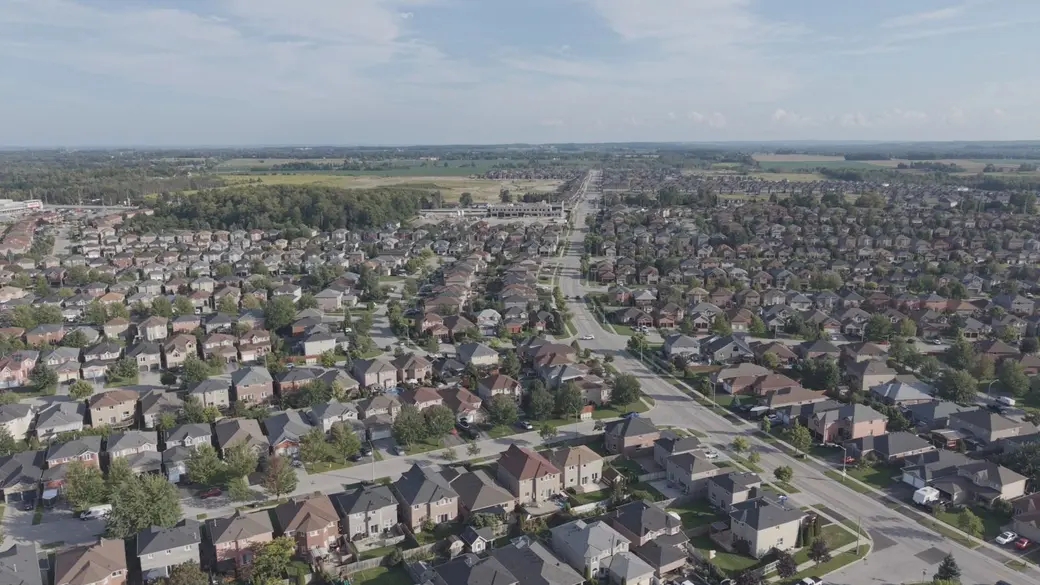
If you're thinking about moving to Barrie from Toronto or somewhere else in the GTA, one of the first questions you probably have is:
How much does it actually cost to live in Barrie?
It's an important question, but comparing home prices alone doesn't give you the full answer.
Housing will likely be your biggest expense, but property taxes, utilities, groceries, transportation, insurance and your commute can all affect what your monthly budget looks like.
And if you're moving from a condo or apartment in Toronto into a larger house in Barrie, some expenses you barely noticed before can suddenly become much more important.
I lived in Toronto for many years before moving north myself, and one thing I've learned is that the financial side of moving isn't simply about whether the house is cheaper.
It's about understanding what your entire lifestyle is going to cost once you live here.
So let's break it down.
Housing Costs in Barrie
Housing is usually the biggest part of the equation.
Barrie offers everything from condos and townhomes to detached houses, older established properties and newer construction. That means there isn't one number that represents what it costs to buy a home here.
The neighbourhood matters. So does the type of property, lot size, condition, age and proximity to amenities or Highway 400.
Instead of starting with the average price in Barrie, I prefer asking:
What kind of home can your budget realistically buy?
For example, someone looking for a detached home with three or more bedrooms, a garage, backyard and basement is shopping in a completely different segment from someone considering a condo or townhome.
Market prices also change, so if you're reading this months after it was published, make sure you're looking at current listings and recent comparable sales rather than relying on an old average.
Don't Compare Only the Purchase Price
This is especially important if you're comparing Barrie with Toronto.
Seeing a larger house for a similar—or sometimes lower—price than a much smaller property in the GTA can be exciting.
But a bigger house also comes with different expenses.
You may have more space to heat and cool. You'll probably pay your own water and hydro bills. There may be a yard to maintain, more furniture to buy and eventually more things around the property that need repairs or replacement.
None of that means buying the larger house is a bad decision.
It simply means the mortgage payment isn't your entire housing cost.
Property Taxes
Property taxes should be part of your budget from the beginning.
The amount varies by property and can change over time, so rather than estimating based only on the purchase price, check the actual taxes for any home you're seriously considering.
When you're comparing properties, two houses with similar asking prices don't necessarily have identical carrying costs.
This is one of those numbers I always recommend looking at before deciding whether a property truly fits your monthly budget.
Utilities: Hydro, Gas and Water
If you're coming from a Toronto condo where some utilities were included in your maintenance fees or rent, this can be an adjustment.
In a house, you may be paying separately for:
- Electricity
- Natural gas
- Water and wastewater
- Internet
Your actual bills will depend on the size and age of the house, insulation, heating system, number of people living there and your family's habits.
And don't forget about the seasons.
A Barrie winter is very different from July.
Heating costs can increase during colder months, while air conditioning can affect electricity consumption during the summer.
When you're reviewing a property, asking for recent utility bills can give you a much more useful estimate than relying on a generic online average.
Groceries and Everyday Expenses
Groceries are another category where it's difficult to give one number that works for every household.
A couple and a family of four obviously won't have the same grocery budget, and your spending will depend heavily on where you shop and what you buy.
Barrie has the major grocery chains, warehouse shopping and a variety of other options, so you can shop around depending on your budget and preferences.
Dining out, coffee, takeout and entertainment should also be included if they're part of your normal routine.
These may seem like smaller expenses compared with a mortgage, but when you're building a realistic monthly budget, they matter.
Transportation Can Change Your Budget Significantly
This is one of the biggest expenses people moving from Toronto sometimes underestimate.
Barrie is much more car-oriented than downtown Toronto.
Depending on where you live and work, your transportation budget may include:
Gas + car insurance + maintenance + parking + GO Transit
And if you're commuting into Toronto or another part of the GTA, how often you make that trip can make a substantial difference.
Someone working from home and travelling south occasionally has a completely different transportation budget from someone driving to Toronto five days a week.
That's why I wouldn't simply ask:
“Can I commute from Barrie to Toronto?”
Of course you can.
The better question is:
“Do I want to make that commute as often as my lifestyle requires?”
What About GO Transit?
Barrie has two GO stations: Barrie South GO and Allandale Waterfront GO.
For some commuters, taking the train can make more sense than driving all the way into Toronto.
But again, calculate the complete trip.
How far do you live from the station? Will you drive there? How often are you travelling? Where is your workplace once you arrive in Toronto?
Transportation decisions shouldn't be based only on the cost of a GO fare or a tank of gas.
Time has value too.
Car Insurance
If you're moving from Toronto, don't assume your car insurance premium will stay exactly the same.
Insurance pricing depends on many factors, including your vehicle, driving history, coverage and location.
Before moving, it's worth contacting your insurance provider and asking for a quote using the area you're considering.
It's a small step, but it gives you another real number to put into your budget instead of guessing.
Home Maintenance Is Part of the Cost Too
This is another category that's easy to forget, particularly if you're moving from a condo.
Owning a house means being responsible for the property.
Depending on the home, that could eventually include things like:
Roof repairs.
Furnace or air-conditioning maintenance.
Snow removal.
Lawn care.
Appliances.
Plumbing.
Driveway maintenance.
And all the little things that inevitably come up when you own a house.
You won't necessarily have these expenses every month, but setting aside money for maintenance helps prevent them from becoming a surprise when they happen.
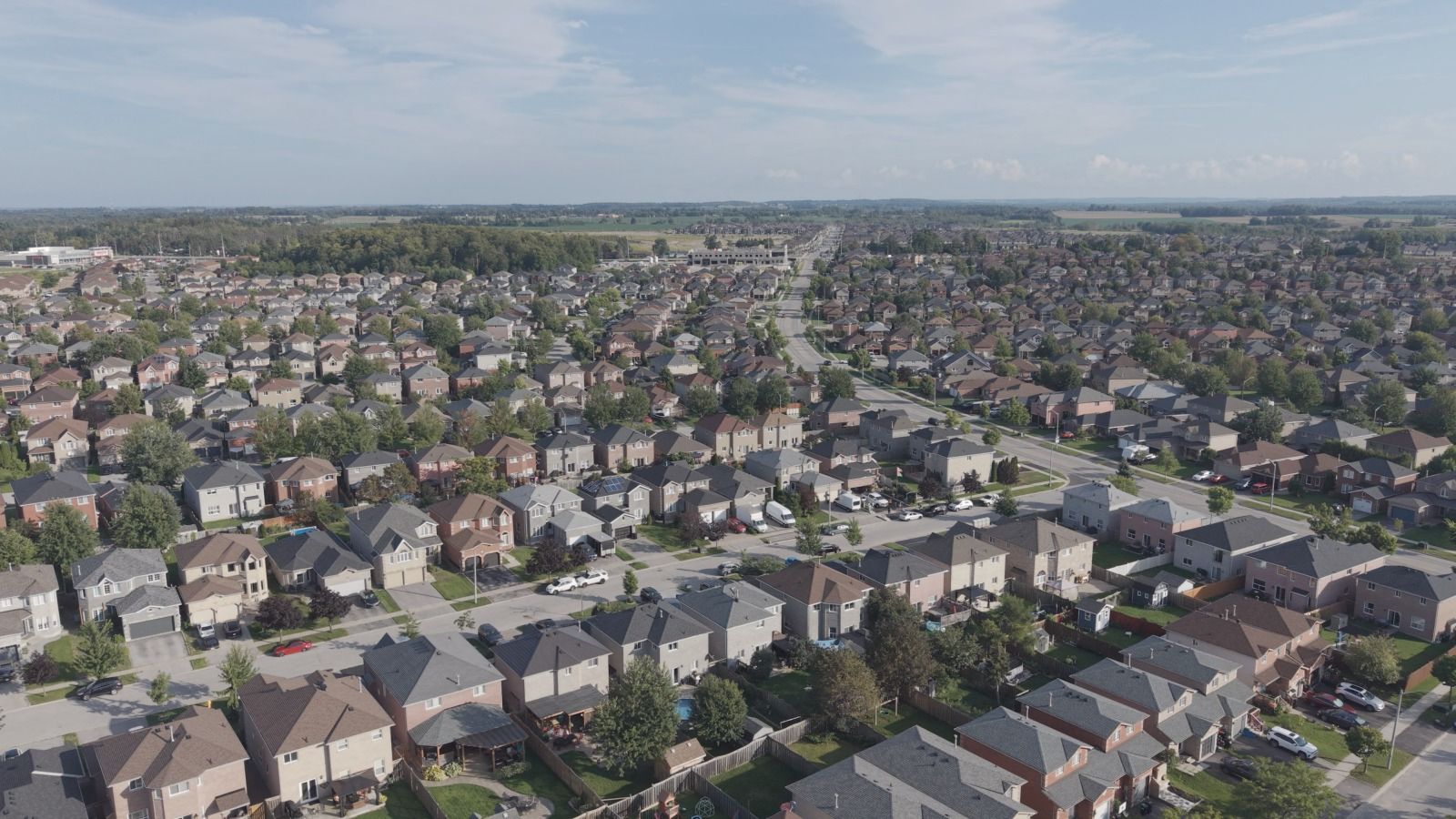
A Realistic Example: Family of Four in Barrie
Let's put some of this together.
Imagine a family of four buying a detached home in Barrie.
They want at least three bedrooms, two or three bathrooms, a garage, backyard and basement.
One parent works primarily from home, while the other travels into Toronto approximately twice a week.
Their monthly budget might need to account for:
Housing: mortgage payment and property taxes
Utilities: hydro, gas, water and internet
Food: groceries plus occasional dining out
Transportation: car payments if applicable, insurance, gas, maintenance and occasional GO Transit
Home ownership: maintenance and repairs
Lifestyle: children's activities, entertainment, subscriptions and other personal spending
This is why I don't think there's one useful answer to:
“How much money do I need to live in Barrie?”
Two families living in similarly priced homes can have completely different monthly expenses.
The goal isn't to find a magic number.
It's to build your number.
Is Barrie Cheaper Than Toronto?
In some areas of your budget, it can be.
Housing is often the main reason people begin looking north in the first place, particularly families searching for more space.
But moving to Barrie doesn't automatically mean every part of your life becomes cheaper.
You may spend more on transportation.
You may move from a smaller condo to a larger home with higher utility and maintenance costs.
Your property taxes, insurance and commuting expenses will depend on your individual situation.
So instead of comparing only:
Toronto home price vs. Barrie home price
compare:
Your total monthly lifestyle in Toronto vs. your total monthly lifestyle in Barrie.
That's a much more meaningful calculation.
If you're still deciding whether Barrie itself is the right fit, you can also read my guide on moving from Toronto to Barrie and my comparison of Barrie vs. Innisfil to see how the two communities differ.
Renting Before Buying in Barrie
For some people moving from Toronto or another city, renting in Barrie first can make sense.
It gives you time to learn the city, test your commute and understand which neighbourhoods actually fit your lifestyle before committing to a purchase.
For others, particularly people who already know the area well and expect to stay long-term, buying may make more sense.
Neither option is automatically better.
Your job stability, finances, timeline and familiarity with Barrie should all be part of that decision.
Frequently Asked Questions About the Cost of Living in Barrie
Is Barrie expensive to live in?
It depends on your housing, transportation and lifestyle. Housing is typically the largest expense, but commuting, utilities, property taxes and vehicle costs should all be considered when calculating what living in Barrie would cost you.
Is Barrie cheaper than Toronto?
Barrie can offer different housing options and potentially more space for your budget than parts of Toronto, but that doesn't mean every expense will be lower. Transportation, utilities, home maintenance and other costs can offset some of the difference.
Do I need a car if I live in Barrie?
It depends on where you live and your daily routine, but many Barrie residents rely on a vehicle. If you're moving from an area of Toronto where you rarely drive, transportation should be an important part of your budget.
Can I live in Barrie and work in Toronto?
Yes, and some residents commute using Highway 400 or GO Transit. Whether it makes sense for you depends on how often you need to travel, your work location and how much commuting time and expense you're comfortable with.
What expenses should I budget for when buying a house in Barrie?
Beyond your mortgage, consider property taxes, home insurance, utilities, maintenance, transportation and your regular household expenses. You should also plan separately for the one-time closing costs associated with purchasing a home.
So, How Much Does It Really Cost to Live in Barrie?
The answer is different for every household.
And that's actually the most important thing to understand.
Moving to Barrie isn't simply a calculation of whether you can get a bigger house for your money.
For many people, the decision is about what they're getting in return: more space, a backyard, a garage, access to the lake and trails, or simply a different pace of life.
The question isn't only:
“Is Barrie cheaper?”
It's:
“Does the lifestyle I can build in Barrie make sense for my budget and the way I want to live?”
Once you start looking at it that way, the numbers become much more useful.
If you're still deciding whether Barrie is the right fit for you, you can also read my guide on moving from Toronto to Barrie for a closer look at the lifestyle, commute and what to consider before making the move.
Erika Altamirano, REALTOR®
Serving Barrie, Innisfil and surrounding communities in Simcoe County.
Categories
Recent Posts





REALTOR® | Barrie, Innisfil & Simcoe County | GTA
+1(647) 864-6844 | erika@erikarealestate.ca
HAVE A REAL ESTATE QUESTION?